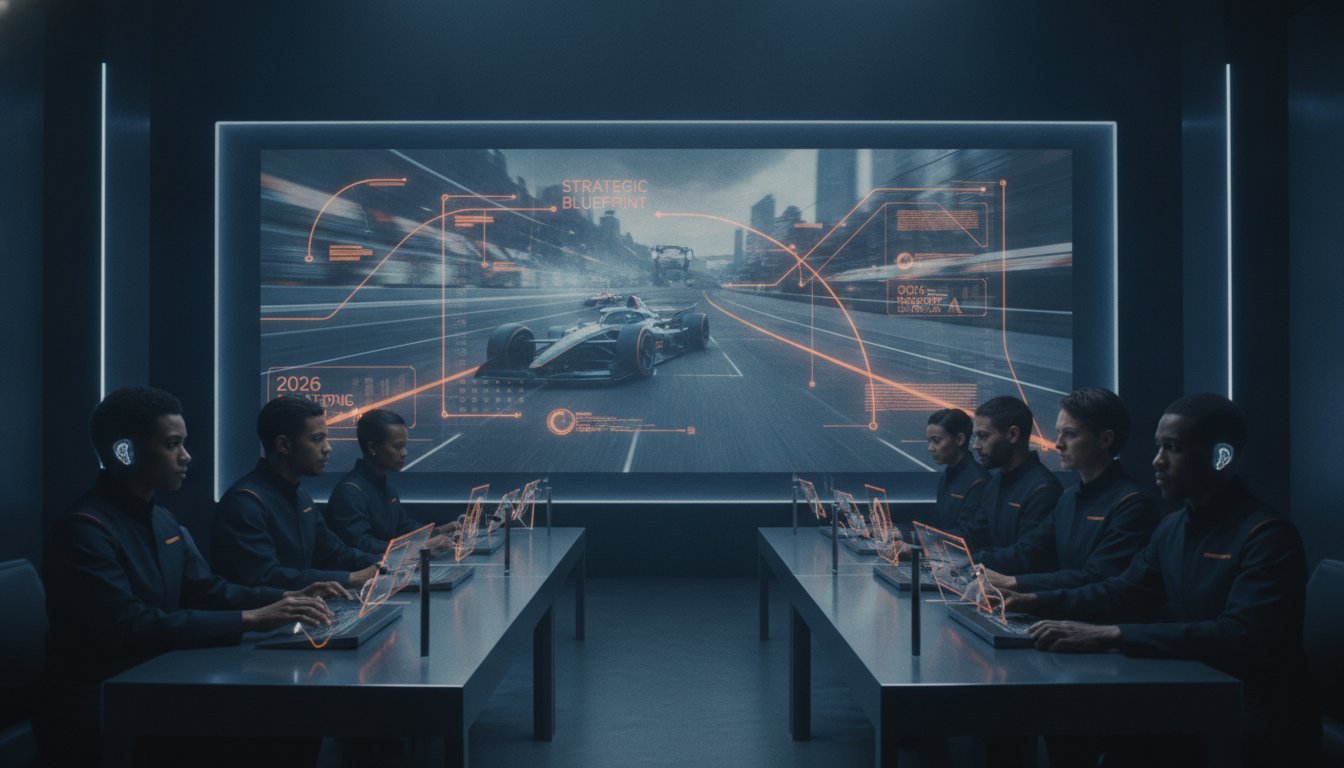
With a single 30-second Super Bowl spot now commanding a 10 million dollar price tag, the era of passive, interruptive advertising has reached a point of diminishing returns. This shift demands a more sophisticated approach to branded sports content production that prioritises narrative depth over fleeting visibility. You’ve likely noticed that fan attention is increasingly fragmented across streaming platforms and social feeds; this makes it harder than ever to align your brand values with the raw emotion of the pitch without feeling intrusive.
This blueprint will show you how to transform underutilised media assets into high-value narratives that secure long-term partnership stability and commercial growth. By moving beyond traditional spots, you can foster genuine fan loyalty through storytelling that feels both authentic and exclusive. We’ll explore the 2026 framework for creating scalable, data-driven content that resonates with a digital-first audience whilst driving measurable engagement across every commercial objective.
Key Takeaways
- Understand the transition from interruptive advertising to immersive narrative experiences that prioritise authentic fan engagement over simple visibility.
- Discover how a dedicated content studio organises creative concepts around commercial objectives to build intellectual depth and lasting trust.
- Learn the methodology for aligning brand values with rights-holder assets through a rigorous process of strategic commercial alignment.
- Master a 2026 framework for branded sports content production that leverages audience data to create scalable and visually compelling global narratives.
- Explore the competitive advantage of specialised production partnerships that offer the agility and authentic relationships necessary for modern sports storytelling.
Defining Branded Sports Content Production in a Post-Interruptive Era
At its core, branded sports content production represents the deliberate intersection of authentic storytelling and strategic commercial goals. It is no longer sufficient to simply place a logo within the frame; instead, the brand must become a vital component of the narrative itself. This evolution marks the end of the interruptive era, where advertisements were viewed as obstacles to the action, and the beginning of an immersive age where the content is the destination.
The distinction between a sports property and a media house has effectively vanished. Rights holders now operate as sophisticated content engines, producing high-fidelity assets that serve multiple commercial objectives simultaneously. Whilst traditional sponsorship provided visibility, content-led partnerships offer depth, longevity, and a level of trust that a 30-second spot cannot replicate. The shift is driven by a fundamental change in fan behaviour. Audiences now seek out narratives that align with their personal values, often ignoring anything that feels purely transactional or forced.
The 2026 Shift: From Viewership to Ownership
Forward-thinking brands are increasingly favouring owned content over rented ad space. Relying on third-party broadcasters to deliver an audience is becoming a precarious strategy as costs rise and attention fragments across various streaming services. By investing in original production, brands can capture valuable first-party data, allowing them to understand their audience with surgical precision. This ownership model reduces fan fatigue by replacing repetitive commercials with high-value storytelling that fans actually choose to watch. It’s a move from being a spectator of the conversation to being the curator of the experience.
Key Components of Narrative Excellence
Achieving narrative excellence requires a disciplined approach to three core pillars:
- Authenticity: Fans have a refined filter for inauthenticity. If a brand’s presence feels forced or contradicts the sport’s culture, it will be rejected. The integration must feel like a natural extension of the story.
- Longevity: Modern assets must have a shelf-life that extends far beyond the final whistle. A well-produced documentary or series continues to drive value and engagement months after the event has concluded.
- Multi-platform Adaptability: Content must be designed to thrive everywhere. A single production cycle should yield everything from cinematic long-form features to high-impact social reels, ensuring the message reaches fans wherever they congregate.
The methodology behind branded sports content production has evolved from a creative exercise into a rigorous commercial strategy that prioritises enduring value over short-term noise. This approach ensures that every frame produced serves the dual purpose of entertaining the fan and advancing the brand’s strategic position in a crowded marketplace.
The Narrative Architecture of Modern Sports Storytelling
Successful storytelling in the elite sports sector requires more than creative flair; it demands a structured narrative architecture that aligns every frame with a specific commercial objective. Within a sophisticated Content Studio, the production process begins with a rigorous interrogation of the brand’s strategic intent. This ensures that the resulting branded sports content production doesn’t just entertain but actively builds intellectual depth. By focusing on the “why” behind the athlete’s journey or the club’s heritage, brands can establish a level of trust that superficial highlight reels simply cannot achieve.
This depth is increasingly vital as the global sports online live video streaming market is projected to reach 38.76 billion dollars in 2026. In such a competitive arena, the integration of technical development with creative output is the only way to maintain a premium brand position. It’s about creating a seamless bridge between high-fidelity visual execution and the underlying strategic goals of the partnership. The most effective narratives are those that feel inevitable rather than manufactured, moving the audience through a logical progression of emotional and commercial touchpoints.
Data-Driven Creative Conceptualisation
Modern scripts are no longer written in a vacuum. By leveraging Innovation & Data, producers can use audience insights to inform everything from the narrative arc to the specific visual style of a campaign. Predictive analytics now allow teams to identify trending narratives before they reach their peak, ensuring that content remains relevant in a fast-moving digital landscape. Data-driven storytelling is the synthesis of analytical rigour and creative intuition. This approach ensures that creative risks are mitigated by a profound understanding of fan behaviour and preference, allowing for content that resonates on a deeper, more personal level.
The Production Studio Ecosystem
The necessity for high-end technical capabilities has never been greater, particularly for brands operating across global media platforms. A robust production ecosystem must balance the visceral energy of live events with the polished, enduring quality of evergreen studio work. This dual focus allows for a comprehensive content output that serves fans in real-time whilst building a library of high-value assets for the future. For organisations looking to scale their reach, exploring strategic sports media partnerships is often the most effective route to achieving this balance.
If you’re seeking to refine your approach to narrative, our team can help you navigate these complexities through a bespoke consultation on your current Development strategy, ensuring your stories resonate with the precision your brand deserves.

Bridging the Gap: Aligning Brand Values with Rights-Holder Assets
One of the most persistent challenges in branded sports content production is the perceived tension between a brand’s commercial agenda and a sports property’s narrative integrity. If the content feels like a prolonged advertisement, fans simply disengage. If it ignores the brand’s objectives, the investment loses its strategic justification. Solving this requires a methodology of Strategic Commercial Alignment. This approach ensures that every creative decision serves a dual purpose, treating the brand not as an intruder, but as a vital facilitator of the fan experience. Alignment drives stability.
Brands that respect the inherent culture of the sport see a significantly higher ROI of Authenticity. This is where boutique agencies often outperform global giants. Smaller, specialised teams possess the agility to manage these complex, high-stakes relationships with a level of personal care and nuanced understanding that larger organisations often lack. They act as curators who understand that a partnership’s longevity depends on mutual respect between the storyteller and the subject. It’s about finding the quiet space where brand goals and fan passions overlap.
Mapping Brand DNA to Sporting Narratives
Success begins by identifying the shared DNA between a brand and a sports property. Whether it’s a commitment to resilience, innovation, or community, these commonalities provide the foundation for authentic storytelling. When alignment is genuine, the “cringe” factor of forced product placement disappears. Instead, the brand becomes an organic part of the athlete’s journey or the club’s history. This creates a sense of stability that encourages long-term investment rather than one-off, transactional campaigns.
Valuing Content as a Commercial Asset
In 2026, we must look beyond vanity metrics like “views” or “likes” to measure true commercial impact. High-quality production should function as a lead generation engine and a tool for strategic growth. When content is produced with this level of commercial rigour, it significantly enhances the overall valuation of the sports media property. For a more detailed exploration of these dynamics, you can read about valuing sports sponsorship assets to understand the financial implications of narrative integration. High-value assets serve multiple commercial objectives at once, from deepening loyalty to opening new revenue streams.
By treating production as a strategic asset rather than a marketing expense, organisations can bridge the gap between creative intuition and analytical rigour. This ensures that every frame produced contributes to a sustainable commercial ecosystem that benefits the brand, the rights holder, and the fan alike.
Executing a Global Production Strategy: A Framework for 2026
Executing a global strategy requires more than just logistical coordination; it necessitates a structured framework that maintains narrative integrity across diverse markets. As the value of global sports rights is predicted to reach 78 billion dollars by 2030, the pressure to deliver high-quality branded sports content production that justifies this investment has never been higher. Digital live sports viewership is projected to grow by 5.8% in 2026, whilst overall live sports viewership is expected to grow by only 0.4%. This disparity highlights the urgent need for a production model that prioritises digital-first, narrative-led assets over traditional broadcast fillers.
The 2026 framework for execution is defined by five critical stages:
- Step 1: Strategic Discovery. We begin by aligning commercial goals with Innovation & Data. This ensures the production is grounded in what the audience actually desires rather than creative guesswork.
- Step 2: Creative Blueprint. This phase develops the narrative arc and visual language, ensuring a consistent brand voice whilst allowing for regional nuances.
- Step 3: Agile Production. Execution must be swift and technically flawless across global locations. Maintaining high-end technical standards is non-negotiable for prestige sports properties.
- Step 4: Distribution and Optimisation. Using a global media business development network ensures content reaches the right fan at the right time on the right platform.
- Step 5: Measurement and Iteration. We use performance data to refine future productions, ensuring a cycle of continuous improvement and commercial growth.
Global Reach vs. Local Relevance
Managing production across different territories requires a delicate balance. Whilst a brand’s core message must remain constant, the way it is delivered must respect local cultural nuances and fan behaviours. A global media property only thrives when it feels personal to the local supporter. By leveraging a sophisticated network for distribution, brands can ensure their voice remains clear whilst their stories feel authentically local in every market they enter.
Technical Innovation in Production
The technical landscape of 2026 offers unprecedented opportunities for engagement. From AI-driven editing that creates personalised highlights in real-time to AR integrations that bring the stadium experience into the fan’s home, innovation is the cornerstone of modern production. These tools must be used to enhance the story, not distract from it. For those focused on event-based narratives, our sports event development agency services provide the architectural foundation for these high-tech media properties.
If you are ready to elevate your global presence through sophisticated storytelling, our Partnerships & Sales team can help you architect a content strategy that delivers measurable commercial impact.
The Boutique Studio Advantage: Why Specialised Production Wins
The landscape of 2026 is saturated with media, yet it is often devoid of enduring meaning. Generic global giants frequently rely on templated creative and high-volume output, which can inadvertently dilute a brand’s prestige. In contrast, the boutique model prioritises depth over breadth. By choosing a specialised partner for branded sports content production, organisations ensure their narratives are handled with the precision of a strategic advisor rather than the mechanical efficiency of a content factory. This curated approach is not merely about aesthetic preference; it is a commercial necessity for those operating at the highest levels of the industry.
Authentic, longstanding relationships are the bedrock of this advantage. Whilst larger agencies may offer scale, they often lack the intimate access to rights holders and athletes that defines successful sports media. A boutique Content Studio acts as a steady, expert hand, navigating complex global environments with a level of personal care that ensures every stakeholder’s interests are protected. This results in more exclusive opportunities and a narrative that feels genuinely integrated into the sporting fabric. It’s about being a partner, not just a provider.
Curation over Volume
The philosophy of curation suggests that fewer, higher-quality productions drive significantly better commercial outcomes than a barrage of low-impact assets. This “Curator of Opportunities” mindset allows a studio to see connections that others might miss, such as a subtle alignment between a brand’s legacy and a nascent sporting trend. Clients gain direct access to industry veterans and specialised strategic advisors, ensuring that every project benefits from senior-level expertise. This exclusivity is a hallmark of a brand that values quality and longevity over short-term visibility.
Integrating Sales, Data, and Creative
The most profound advantage of a boutique studio is the seamless integration of the sales side with the creative process. Many agencies produce beautiful content that fails to meet commercial objectives because they don’t understand the underlying economics of sports media. At GMP Sports, we bridge the gap between creative intuition and analytical rigour. By understanding the data that drives fan engagement and the commercial requirements of rights holders, we produce assets that are as effective as they are elegant. We invite you to discover how our Content Studio can elevate your brand narrative through a partnership grounded in tradition and proven results.
Architecting the Future of Sports Media
The transition from traditional advertising to immersive storytelling is no longer a trend; it’s a commercial imperative for brands seeking to remain relevant in a fragmented media landscape. By prioritising narrative architecture and strategic alignment, organisations can transform fleeting visibility into enduring fan loyalty. We’ve explored how branded sports content production serves as a high-value asset that bridges the gap between creative intuition and analytical rigour, ensuring that every frame produced contributes to long-term commercial growth.
Navigating this complex global environment requires a steady, expert hand. Our boutique studio is managed by industry veterans who integrate data-driven innovation with high-fidelity production to deliver exclusive opportunities for our partners. We focus on quality over volume, ensuring your brand narrative is handled with the depth and precision it deserves. Partner with GMP Sports to architect your next narrative masterpiece and secure your position at the forefront of the sports media evolution. Let’s build a legacy that resonates far beyond the final whistle.
Frequently Asked Questions
What is branded sports content production?
Branded sports content production is the strategic synthesis of authentic sporting narratives and a brand’s commercial objectives. It involves creating high-value media assets where the brand acts as a curator or facilitator of the fan experience rather than an interruptive advertiser. This approach ensures that the content remains the primary destination for the audience, fostering a deeper connection through storytelling that resonates with the sport’s inherent values.
How does branded content differ from traditional sports sponsorship?
Traditional sponsorship focuses on visibility, such as logo placement on kits or perimeter boards, whilst branded content prioritises narrative immersion. Sponsorship relies on “rented” attention during match breaks or around the action. Branded content allows a brand to “own” the story, weaving its values into the actual journey of the athlete or club to build intellectual depth and enduring loyalty amongst fans.
How do you measure the ROI of branded sports content?
Measurement moves beyond vanity metrics like views to focus on commercial impact and lead generation. We track partnership stability, brand sentiment, and the acquisition of first-party data. By 2026, the success of branded sports content production is defined by how effectively it drives long-term revenue growth and fan engagement across fragmented digital platforms, providing a clear return on the creative investment.
Why should brands invest in a dedicated sports content studio?
A dedicated studio offers the specialised expertise and technical standards required to produce cinematic, high-fidelity assets for global media. It ensures a consistent brand voice whilst providing the agility to respond to real-time sporting events. This curated approach provides the prestige and professional warmth necessary for elite-level partnerships, positioning the brand as an expert hand in complex global environments.
What role does data play in sports content production?
Data acts as the foundation for creative conceptualisation, allowing producers to identify audience preferences and trending narratives before they peak. It bridges the gap between creative intuition and analytical rigour. In 2026, production relies on audience insights to inform visual style, scriptwriting, and platform-specific distribution strategies, ensuring that every frame produced is grounded in what fans actually desire to watch.
Can branded content help in valuing sports media properties?
High-quality production significantly enhances the valuation of sports media properties by creating a library of evergreen assets. These assets serve multiple commercial objectives and attract premium partners who seek more than just visibility. By operating as a media house, a sports property can command higher rights fees and secure more stable, long-term investments through a diversified content strategy.
How do you ensure authenticity in branded sports storytelling?
Authenticity requires a deep understanding of the sport’s culture and the brand’s core DNA. Integration must feel inevitable and organic rather than forced or transactional. We identify shared values, such as resilience or innovation, and use them to anchor the story. This ensures the brand’s presence adds genuine value to the fan experience, avoiding the “cringe” factor of poorly aligned product placement.
What are the biggest trends in sports media production for 2026?
The landscape is defined by the rise of boutique studios, AI-driven editing for personalised highlights, and creator-access clauses in major rights deals. There is also a significant shift toward digital-first viewership, which is projected to grow by 5.8% in 2026. These trends demand a more agile and narrative-led production framework that can deliver high-quality content across a multitude of streaming and social platforms.